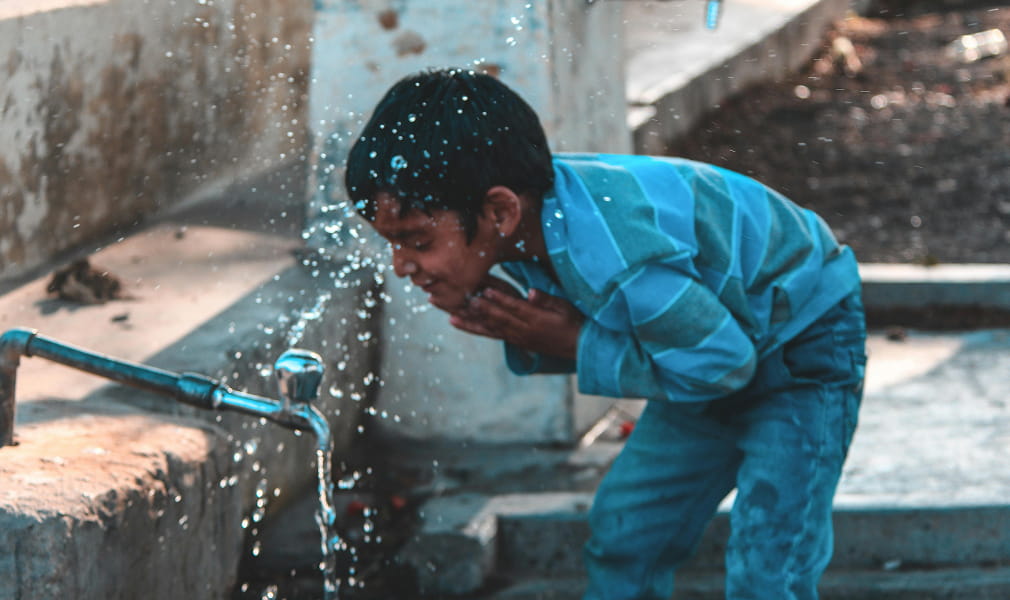
My father’s life was cut tragically short at just 36 years old by Pulmonary Hypertension, a diagnosis that, in the 1980s, was a curse. At that time, this cruel disease was shrouded in mystery — misunderstood, rarely recognized, and even less often treated. We lived in Cuba, where, by some twist of fate, my family received medical care unimaginable in my home country, Ethiopia. Yet even the brightest minds in Cuba and Europe could not save him. After two agonizing years, traveling from hospital to hospital and enduring relentless suffering, my beloved father’s heart and lungs surrendered. The pain of his loss was overwhelming. I was only seven years young — a child, suddenly fatherless and homeless, adrift in a foreign land after a privileged life of comfort and security. The world I knew vanished in an instant, leaving my mother and I to face unfathomable grief and uncertainty.
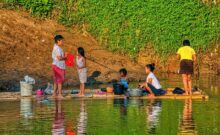
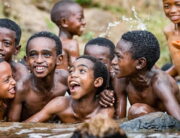
As a young boy, my father’s innocence was stolen by schistosomiasis after swimming in a local lake in Northwest Ethiopia. Locally known as bilharzia, it is a parasitic disease caused by blood flukes from freshwater snails, infecting people who encounter contaminated water. It is a burden of water poverty. It brings a storm of symptoms — rashes, fever, pain, and even blood — and, untreated, carves out lifelong wounds in the liver, intestines, and bladder. My father’s childhood was marked by this disease, but without access to medicine, the parasites remained, quietly sabotaging his body. They left him with a weakened heart and damaged lungs, and yet, he never let illness define him. He fought for a future beyond poverty, excelling academically and earning a full scholarship to Addis Ababa University. His willpower propelled him from Bahir Dar to Debre Markos, from student to teacher, and finally, to diplomat. He built a life against all odds — but the silent enemy inside him could not be outrun.
In Cuba, my father’s strength began to falter. Breathless, weakened, and with relentless medical testing, we received the grim verdict: Pulmonary Hypertension. Schistosomiasis had left irreversible scars on his arteries and veins, and no doctor — not in Cuba, not in Europe — could restore what was lost. The disease broke his body and shattered our family.
My father was our guiding light, my miracle Daddy who achieved the impossible in his brief time on earth. When he died, my life was not only shattered but my childhood effectively ended. I had to face death head on before I could really begin to live. My father never had the chance to heal. As a child, his family faced obstacles unimaginable to those of us who know the privilege of modern medicine. Western medical advancements to treat schistosomiasis have only arrived in the last two decades, finally offering hope to millions in Africa where this devastating disease is a constant threat.
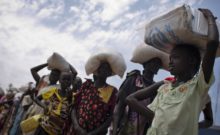
Yet today, far too many children trapped in poverty continue to suffer. According to the Carter Center, schistosomiasis wages war on almost 240 million people around the globe, with more than 700 hundred million at risk in endemic regions. It stands as the second-most threatening parasitic disease after malaria, but its devastation goes unnoticed by the world.
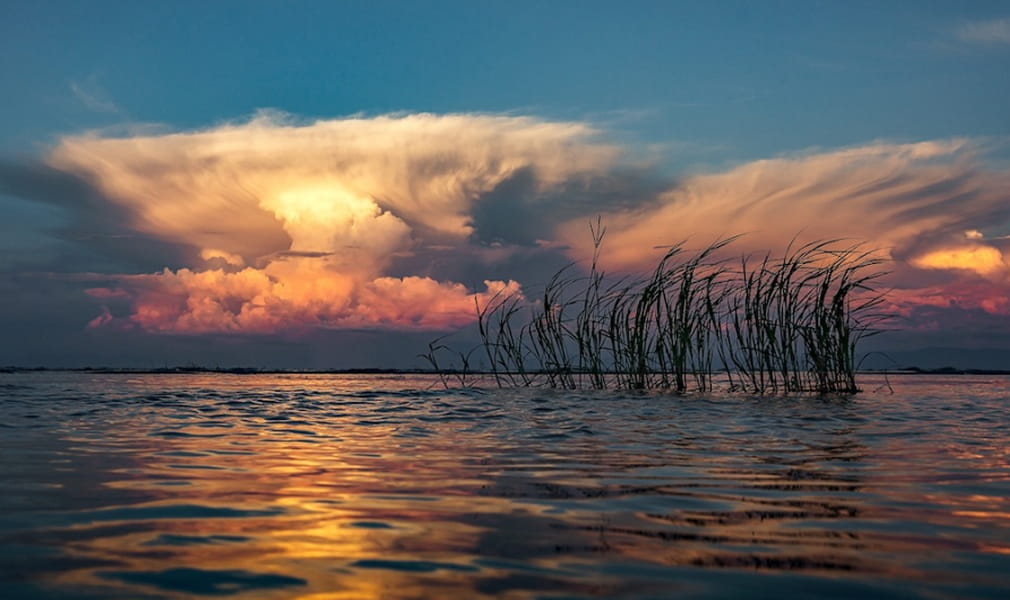
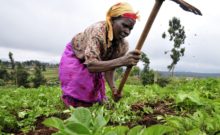
Schistosomiasis once haunted every continent. Nations such as Japan and Tunisia have triumphed over this affliction, erasing its legacy from their soil. Yet, the burden has not vanished. Today, according to the World Health Organization, 90% of deaths occur in Sub-Saharan Africa. It thrives in the most marginalized corners, preying on those who are trapped in poverty and whose survival depends on contaminated water. The silence surrounding schistosomiasis is not just neglect— it is a tragedy my family is remarkably familiar with. Where clean water and basic sanitation are painfully absent, children and families are left exposed and defenseless.
Praziquantel, a life-saving drug—offers hope, but it cannot break the cycle of water poverty. Each return to infested water means another round of suffering, another child condemned to pain and lost potential. The fight against schistosomiasis demands more than medicine; it demands a revolution. We must wage a relentless campaign: mass drug treatment on a recurring scale, coupled with fierce determination to bring clean water, sanitation, and education to every village and every child. Hygiene and water safety must become integral to primary school education, empowering the generation most at risk. Only through a united, multifaceted approach can we break the chains of schistosomiasis and give every child the chance to rise above circumstances, to hope, and to build a future free from this silent torment.
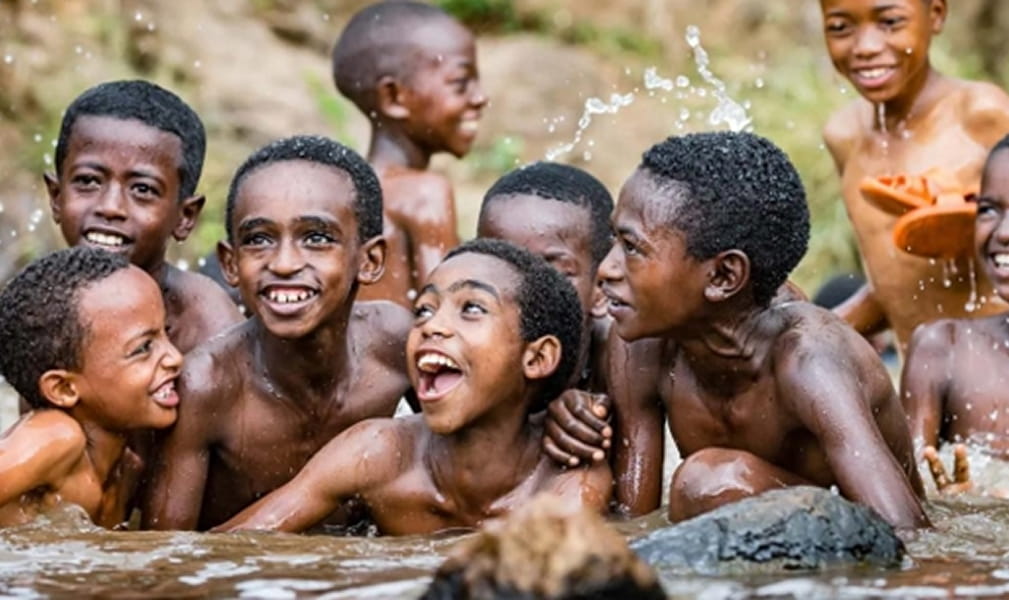
Even though the global health agenda faces competing public health priorities, this is not a battle we are destined to lose. Schistosomiasis is a neglected tropical disease we can defeat now. We have the medicine to treat populations; we have the financial and human resources to achieve clean water access today — all that is missing is collective will. We must unite donors, governments, health workers, NGOs, and communities to collaborate and act now. If we remain disconnected and complacent, we risk losing entire generations of brilliant minds and future leaders.
My father’s story does not have to happen again. His early death compels me to speak out on water poverty and fight for the end of schistosomiasis—a silent killer that not only destroyed my family but has stolen countless lives and dreams. Now is the time to act. Every child deserves the future my father never had: a full life of hope and dreams.